Understand the changingUnderstand the changing
economics of work
Join us as we talk to the deepest thinkers in economics to understand how labor markets function, how work is changing, and why.Join Ben Zweig as he sits down with leading economists, researchers, and thinkers to explore the ideas that define how we work, why we work, and what the future of work will look like.
Available on:






Episodes
Conversations with leading economists, researchers, and business thinkers, every Thursday.
The Youths Love/Hate Relationship with AI
The backlash against AI among young people appears codependent as they rely on it for more and more, while also being some of its most vocal opponents. In this episode, Ben sits down with Jasmine Sun, writer and journalist covering the AI economy, to explore what youth sentiment toward AI reveals about jobs, inequality, and the world being built around us
What Immigration Tells Us About Economic Opportunity
The debate about immigration is usually framed around politics and labor markets. But the deeper story includes mobility. Who gets ahead, how, and why where they start determines so much about where you end up. In this episode, Ben sits down with Leah Boustan, professor at Yale and co-author of Streets of Gold, to dig into what the data on immigration reveals about economic opportunity across generations.
Are Business Leaders Listening to HR Theory?
Finance has net present value. Operations has bottleneck theory. What does HR have? In this episode, Ben sits down with John Boudreau, professor emeritus at USC and one of the most influential thinkers in the history of human resource management, to explore a question he has spent 40 years trying to answer: why do leaders who make rigorous, model-driven decisions about financial and operational assets continue to rely on gut instinct when it comes to people?
Time, Beauty, and What Economics Gets Wrong About Work
Keynes predicted we'd be working 15-hour weeks by now. So what went wrong? In this episode, Ben sits down with Dan Hamermesh, one of the most prolific and wide-ranging labor economists of the past half century, to explore questions the field rarely asks: Why do Americans work more than anyone else in the rich world? What do we actually do with leisure when we get it? And what has economics lost by chasing causal identification at the expense of big ideas?
Bridging Business, Education, and Policy to Build a Better Workforce
What does it take to connect the worlds of academia, government, and industry around workforce development? The answer requires someone fluent in all three. In this episode, Ben sits down with Rachel Lipson, researcher at Harvard, fellow at Brookings and the Aspen Institute, and author, to explore what's working (and what isn't) in America's approach to training workers for the jobs of today and tomorrow.
What Automation Means for How We Organize Jobs
What happens to a job when AI touches it? The answer depends on something most frameworks aren't designed to measure. In this episode, Ben sits down with Daniel Rock, assistant professor at Penn and co-founder of Work Helix, to dig into AI exposure.
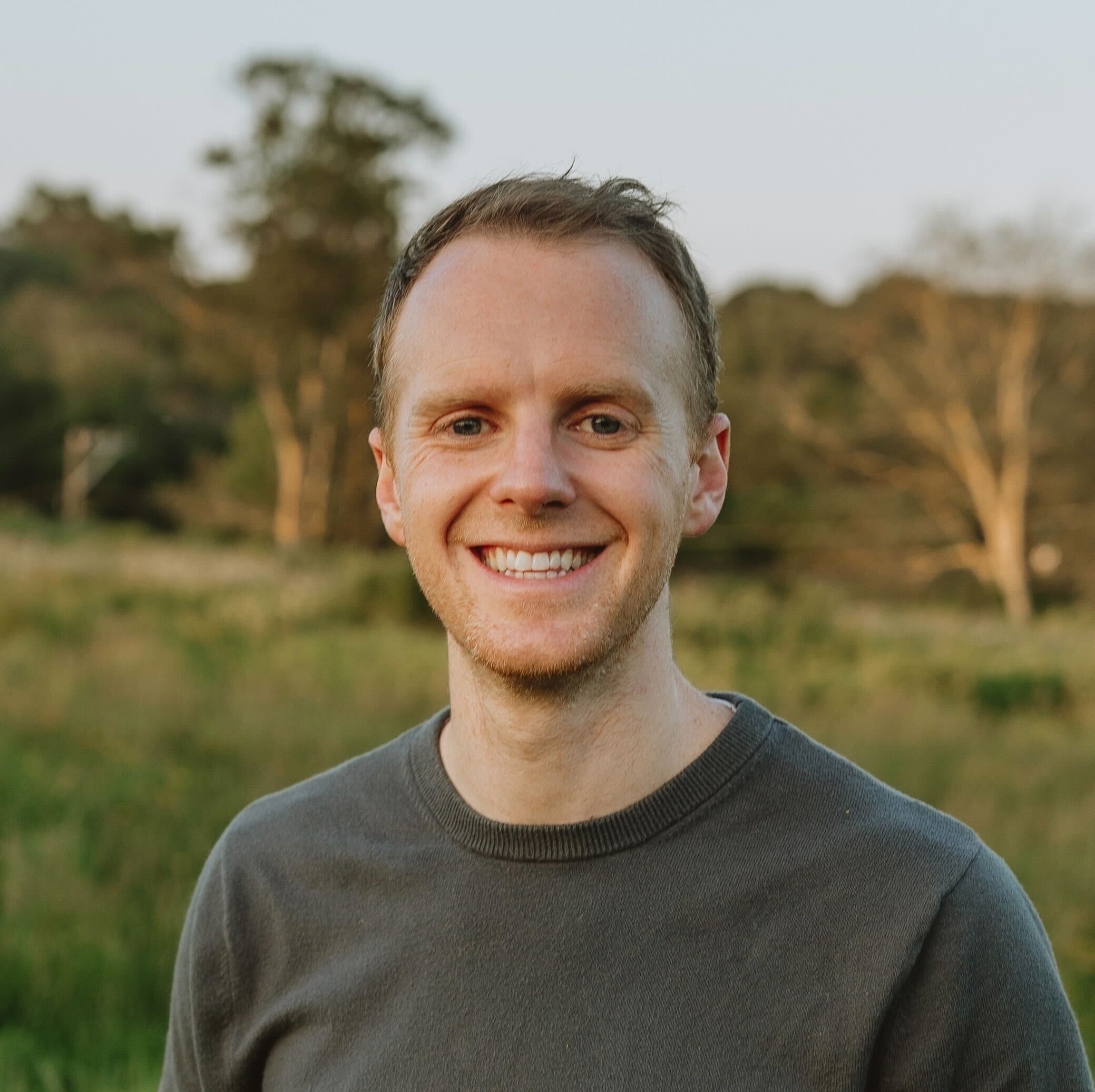
Hosted by Ben Zweig
Ben Zweig is a labor economist and the CEO of Revelio Labs, a workforce intelligence company. A passionate advocate for understanding the evolving nature of work, Ben also teaches The Future of Work at NYU Stern. Before founding Revelio Labs, he was a Managing Data Scientist at IBM’s Chief Analytics Office and a Quantitative Strategist at an emerging markets hedge fund. He holds a PhD in Economics from the CUNY Graduate Center, and he is the author of Job Architecture: Building a Language for Workforce Intelligence.
“Ever since taking my first economics class 20 years ago, I’ve been trying to learn as much as possible about how and why we do what we do. For me, the best way to do that is to listen to the people who have thought the most deeply about it.”