
One language for every role, skill, and activity in your workforce
Before you can develop a successful workforce data strategy, a job architecture is essential. Revelio Labs’ Job Architecture as a Service delivers clients a custom, unified language that categorizes all jobs, activities, and skills relevant to your company and industry.
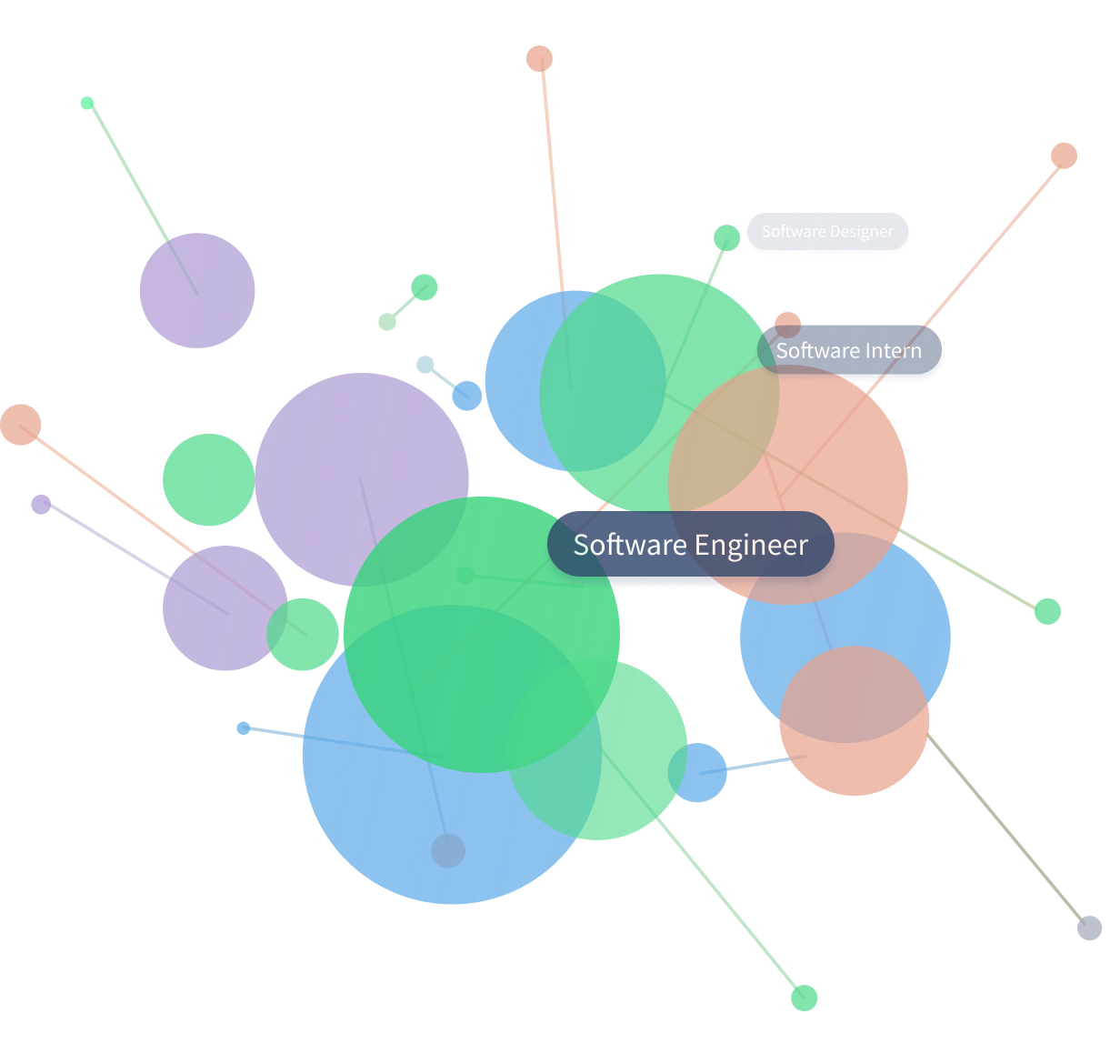
Align roles with job activities and candidate skills
Proactively enrich your talent data while ensuring data hygiene and integrity at every step. Complete and accurate data will yield deeper insights, empowering your business to effortlessly identify talent and seize new opportunities with precision.

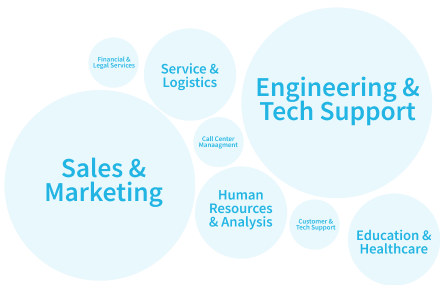
Occupational Taxonomy
Reducing billions of unique job titles to a manageable of occupations.
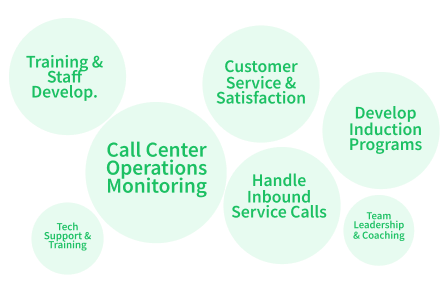
Activities Taxonomy
Deconstruct jobs to the bundle of work activities that an individual performs.
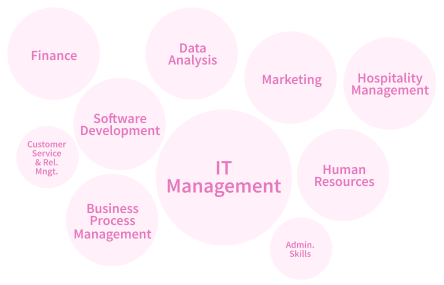
Skills Taxonomy
Hierarchical structure of skill groups to easily compare employee characteristics.
Flexible, dynamic taxonomies powered by AI
At Revelio Labs, all of our taxonomies are constantly evolving with changes in the workforce. Our team of data scientists work to remove bias inherent in labor market data and structure it for maximum utility.

Our partnership approach
Job Architecture as a service is completed over three phases, helping organizations build a deeper understanding of their workforce structure. Throughout the process, clients work directly with a dedicated data scientist who develops a tailored solution, ensuring clear communication and alignment throughout the process.
Tailored Industry Taxonomies (1-3 weeks)
Use public data to develop custom taxonomies that are specific to your company industry
Enhanced Precision with Internal Data (1-2 months)
Incorporate your internal data into the taxonomy that was developed in Phase 1, bringing another layer of precision and accuracy.
Seamless Integration for Actionable Insights (3+ months)
Integrate this job architecture into your current systems and workflows creating a seamless experience from data harmonization to actionable insight.

What is job architecture?
Data enrichment refers to the process of enhancing, refining, or expanding raw data to make it more valuable, insightful, and useful for analysis, decision-making, and various business purposes. This typically involves adding additional information to existing datasets or improving the quality and completeness of the data. By augmenting existing datasets with additional information or improving data quality, organizations can extract deeper insights and derive greater value from their data assets. This process often includes techniques such as adding supplementary data fields, standardizing formats, and validating accuracy against external sources or predefined criteria.
Resume and job posting parsing software play a crucial role in HR data enrichment by automating the extraction and categorization of relevant information from resumes and job postings. These tools use advanced algorithms to parse resumes and job descriptions, extracting key data points such as skills, experience, education, and qualifications. By integrating this parsed data into HR databases or applicant tracking systems, organizations can enrich their talent data more efficiently and accurately. This automation not only saves time and resources but also reduces the risk of manual errors and inconsistencies. Furthermore, by analyzing patterns and trends within the parsed data, HR professionals can gain valuable insights into market demand, skill trends, and candidate preferences, further enhancing their talent acquisition and management strategies.
Ultimately, data enrichment serves as a catalyst for innovation and growth, enabling organizations to leverage their data assets more effectively. Whether it's optimizing operational processes, understanding customer behavior, or identifying market trends, enriched data provides a solid foundation for informed decision-making and business success. By prioritizing data enrichment initiatives, organizations can unlock the full potential of their data, driving competitive advantage and fueling future growth.